

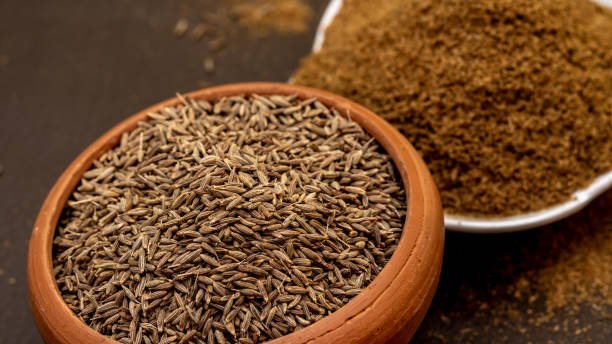
Ah, the undisputed king of the spice box! Jeera (Cumin Seeds) is the earthy, smoky engine that drives almost every savory dish in Indian, Middle Eastern, and Mexican cuisines.
If you have 50g of Cumin, that’s roughly 6 to 7 tablespoons. It is arguably the most “used up” spice in any pantry because of its incredible versatility.
🌿 The Anatomy & Flavor Profile
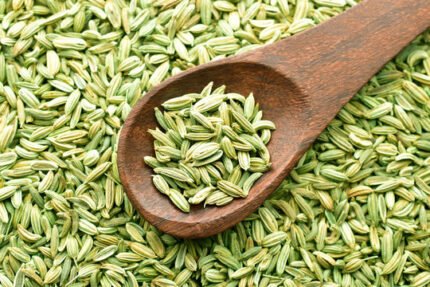
Cumin (Cuminum cyminum) is a member of the parsley family. It’s often confused with your Fennel Seeds because of their similar shape, but the flavor is worlds apart.
-
Appearance: Small, slender, boat-shaped seeds with a brownish-grey color and tiny “bristles.”
-
The Scent: Heavy, warm, and deeply aromatic. It has a “musky” quality that feels very grounded.
-
The Taste: Intensely earthy with a slight bitterness and a warm, peppery punch. It doesn’t have the sweetness of Fennel or the citrus of Coriander; it provides the “bass note” to a dish.
🍳 Culinary Roles for Jeera
Cumin is the “glue” that holds other spices together. Here is how it interacts with the rest of your collection:
-
The “Tarka” (Tempering): Along with Fenugreek, whole Cumin seeds are almost always the first thing to hit the hot oil. They sizzle and pop, infusing the fat with a smoky depth.
-
Roasted Cumin Powder (Bhuna Jeera): If you dry-roast your 50g of seeds until they turn dark brown and then grind them, the flavor changes from “earthy” to “intense and nutty.” This is a secret ingredient for sprinkling over yogurt (Raita) or salads.
-
The Perfect Pair: Cumin and Coriander are the “best friends” of the spice world. Usually used in a 1:2 ratio (1 part Cumin to 2 parts Coriander) to create a balanced savory base.
-
Digestion: Like Fennel, Cumin is famous for its digestive properties. Boiling a teaspoon of seeds in water makes “Jeera Water,” a common remedy for bloating.
Reviews
There are no reviews yet.