

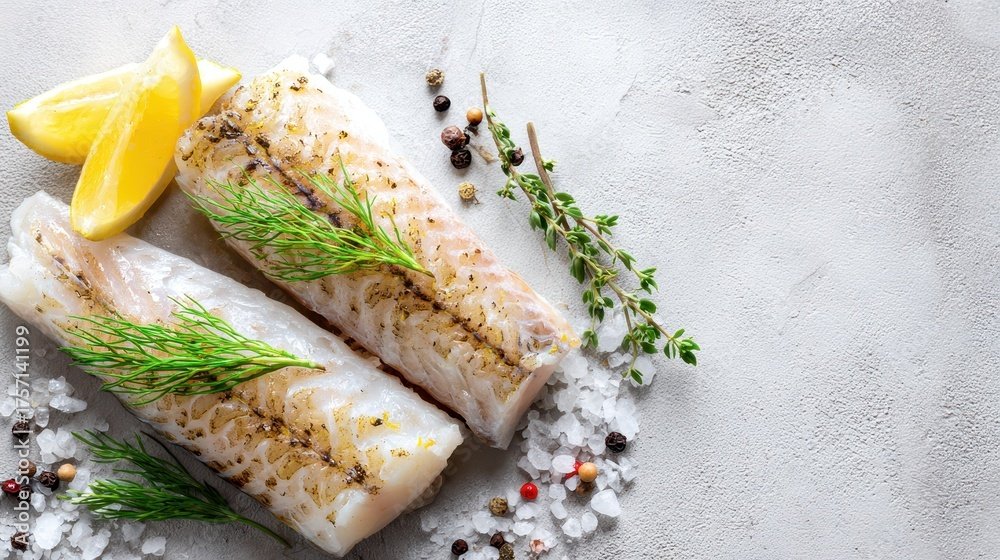
We’ve moved to the final protein on your list: fish. In February 2026, the global and Indian fish markets are undergoing a massive transformation, with a heavy focus on “Blue Longevity”—using seafood as a primary tool for a longer, healthier life.
Here is the current “catch of the day” as of February 12, 2026:
📉 India Market Pulse (Feb 2026)
Fish prices in India are currently seeing a seasonal uptick due to high demand in inland regions and the wedding season.
-
Daily Market Rates: As of today, the average price for fish across India is roughly ₹240/kg.
-
Premium Varieties: In major hubs like Delhi (Gazipur Mandi), top-tier fish like Hilsa (Ilish) are commanding prices between ₹600–₹1,800/kg depending on size and freshness.
-
Coastal Favorites: Pomfret and Seer Fish (Surmai) remain at the higher end, often reaching ₹800–₹1,200/kg in retail markets.
-
Budget Stars: Rohu and Catla remain the most affordable freshwater staples, generally priced between ₹150–₹220/kg.
🎨 2026 Variety & Trend Spotlight
The “Fish of 2026” isn’t just about taste; it’s about sustainability and convenience.
-
The “Basa” Takeover: Pangassius (Basa) continues to dominate urban markets in 2026 because it is boneless, mild-flavored, and absorbs Indian spices perfectly.
-
Ruby Fish Trends: There is a surge in demand for Red Snapper and Indian Salmon (Rawas) this month, particularly in the growing “ready-to-cook” segment.
-
E-Commerce Boom: For the first time, nearly 30% of fresh fish sales in Indian metros are now happening via apps. “Boat-to-Door” delivery in under 60 minutes has become the new standard for quality.
🥗 2026 Health Science: The “Blue Zone” Diet
Early 2026 research has placed fish at the center of the “Longevity Diet”:
-
The Omega-3 Shield: Fish remains the most bioavailable source of EPA and DHA. New studies this year link regular consumption to a 20% reduction in age-related cognitive decline.
-
“Blue Zones” Influence: Inspired by regions where people live past 100, the 2026 “Blue Zone” diet trend emphasizes small, oily fish like Sardines and Mackerel for their high calcium and mineral content.
-
Vitamin D: Since many people spend more time indoors, fish (especially fatty varieties) is being promoted this February as a crucial natural source of Vitamin D to beat “winter blues” in colder regions.
🛠️ Pro Tips for Selection (2026 Guide)
Technology has improved, but your senses are still the best tools:
-
The “Clear Eye” Test: The eyes should be bulging and crystal clear. If they are sunken or cloudy, the fish is several days old.
-
The “Gill” Check: Lift the gill cover. They should be vibrant red or pink. Gray or brown gills are a major red flag for spoilage.
-
The “Sea” Smell: Fresh fish should smell like the ocean or a fresh pond. If it smells “fishy” or like ammonia, the proteins have already started to break down.
-
The Finger Poke: Press the flesh. It should be firm and spring back immediately. If your fingerprint stays in the meat, it has lost its cellular integrity.
🌍 Big News: World Seafood Congress 2026
Happening right now (February 9–11, 2026) in Chennai, India is hosting the World Seafood Congress for the first time. The big takeaway: India is aiming to reach ₹1 lakh crore in seafood exports this year by focusing on “Green Aquaculture” and better cold-chain technology.
Would you like me to find a recipe for a “2026-style” Air-Fried Fish Tikka, or would you like to know which fish are safest (lowest mercury) for kids and elderly family members?


Reviews
There are no reviews yet.